



Whether in-store or via delivery, product sustainability and packaging type (material/recyclability) influence the choices of more than 70% of Italians
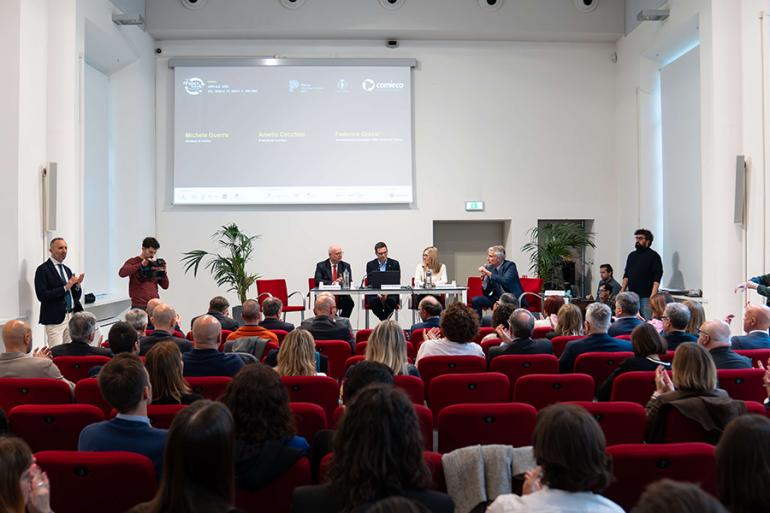
A new element has entered Italians’ shopping carts: packaging. According to the survey “Lifestyles in Transformation: Italians Between Food, Packaging and Sustainability,” conducted by Ipsos Doxa for Comieco and presented in Parma during the opening of Paper Week 2026, the type of packaging influences food choices for those shopping or ordering takeaway/delivery and ready meals.
“Packaging has emerged from invisibility and has become a selection criterion, a carrier of values, and a tool of trust-explains Alberta Della Bella, Senior Researcher at Ipsos Doxa Public Affairs Consumers reward perceived sustainability and clear communication - Separate waste collection remains a cornerstone of Italian civic sense, stable for a decade. It is a favorable context for those who innovate with responsibility and transparency.
A kitchen expanding beyond the home
98% of Italians still prepare meals at home, and for 83% it is a daily practice. However, the model has become hybrid. One Italian out of two (49%) now uses delivery services, a figure that rises to 73% among young people aged 18–30. Takeaway involves 63% of the population, while on-the-go consumption reaches 48%. The “convenience triad”- ready-made supermarket food, takeaway, and delivery - has become firmly embedded in Italians’ habits, complementing rather than replacing tradition.
Packaging enters the shopping list
Regardless of daily routines, packaging - long invisible in consumer decisions - has become an established selection criterion. That said, food quality and price remain the primary factors guiding choices for 9 out of 10 Italians. However, product sustainability influences 77% of Italians, packaging practicality (resealability and portioning) 75%, and material type 72%.
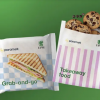
Paper and cardboard, among the most widely used materials in the food sector (from deli counters to supermarkets to takeaway/delivery), are appreciated for their recyclability (48%), sustainability (37%), and lightness (29%).
One figure illustrates how packaging has changed role: 96% of Italians read disposal instructions on packaging, and labels have become the primary source of information on how to sort waste (cited by 32% of respondents), ahead of Google (24%) and municipal websites (24%).
When it comes to messaging, there is a clear need for simplicity: the most effective claim is “100% recyclable,” while technical certifications or claims such as “carbon neutral” are less convincing. In short, packaging has become the first point of contact between producers and consumers on sustainability issues.
Food and packaging confirm themselves as two strategic sectors of Made in Italy and the ecological transition, historically intertwined and now increasingly connected through everyday consumer behavior. The food and beverage industry represents 15.5% of European manufacturing turnover and is the leading manufacturing sector in the European Union. It uses about two-thirds of all packaging produced and placed on the market in Italy.
It is no coincidence that the National Strategy for the Circular Economy identifies packaging and the food supply chain among the key value chains for ecological transition - comments Roberto Di Molfetta, General Director of Comieco - These are sectors with high material flows, where measures to promote efficient resource use, waste minimization, and emission reduction are particularly important.“Hence the importance of acting on prevention and eco-design of packaging to improve recyclability. This - continues Di Molfetta - requires effective consumer information to enable proper end-of-life management of packaging and to consolidate the 90% recycling rate of cellulosic packaging achieved in our country through separate waste collection.
Waste sorting: virtuous in intention, pragmatic in practice
74% of respondents rate their own waste-sorting habits highly (8–10), but only 20% give Italians overall a high score. Virtuous behaviors are widespread, yet admissions emerge: 88% admit to resorting to general waste at least occasionally when unsure about the material - a figure that rises to 94% among 18–30-year-olds. 72% do so due to haste or convenience, reaching 85% among young people.
Only 4% of Italians never have doubts, while 59% experience uncertainty at least occasionally. The most common doubts regarding paper and cardboard packaging concern items soiled with food (24%) and multi-material packaging (22%). In reality, the rules are simple: paper that is dirty - provided it has no food residues - can be disposed of with paper, as can composite packaging predominantly made of paper (e.g., beverage cartons and other food packaging), unless otherwise specified by local regulations.


