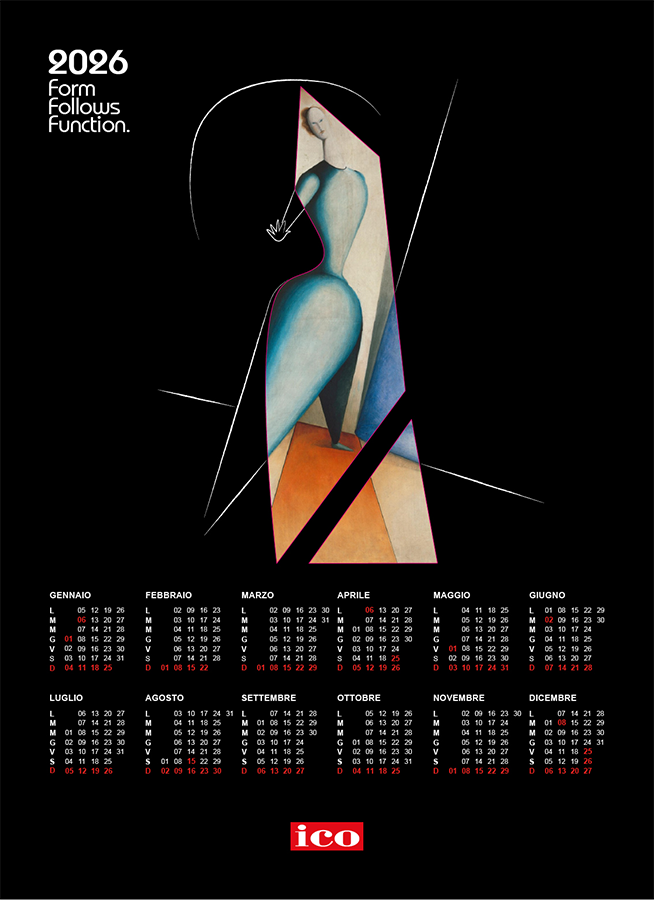


To be truly sustainable, packaging must be designed around the product itself. This is the view of ICO, one of Italy’s leading producers of corrugated cardboard, which has embraced a “less is more” philosophy, eliminating the superfluous with a strong environmental focus.
Today, production supply chains are undergoing profound transformation, driven by economic, environmental, social, and regulatory shifts. Among them, the packaging sector stands out as one of the most impacted.
Although it is not part of the product itself, packaging plays a dual role: it is both essential and inherently temporary. In most cases, its function ends once the product is opened. Yet its necessity is undeniable, serving multiple purposes along the value chain.
First and foremost, packaging protects goods during storage and transport, its most fundamental function. Alongside this, it plays a key communication role, combining mandatory elements such as regulatory information and environmental labeling with optional features tied to branding and marketing.
Packaging and Sustainability: “Less is More” as a Design Principle
Sustainability and circularity are now central to the industry, often leading to the assumption that materials like paper and cardboard are inherently more sustainable due to their integration into circular systems. In reality, the picture is more nuanced: there is no one-size-fits-all sustainable solution. Effective packaging design must respond to the specific characteristics and requirements of the product, adopting a resilient, case-by-case approach.
In this context, ICO has chosen to focus on design simplification, inspired by the “less is more” principle. The goal is to prioritize what truly matters,developing solutions that are both functional and refined, while making design choices grounded in essentiality.
Packaging and sustainability: “Less is More” as a design principle
Sustainability and circularity are now central to the industry, often leading to the assumption that materials like paper and cardboard are inherently more sustainable due to their integration into circular systems. In reality, the picture is more nuanced: there is no one-size-fits-all sustainable solution. Effective packaging design must respond to the specific characteristics and requirements of the product, adopting a resilient, case-by-case approach. In this context, ICO has chosen to focus on design simplification, inspired by the “less is more” principle. The goal is to prioritize what truly matters, developing solutions that are both functional and refined, while making design choices grounded in essentiality.
*German architect who taught at the Bauhaus school of design. ICO’s 2026 calendar was inspired by this influential movement.